

California Probate Code Section 15209 provides a critical exception that allows a settlor to serve as both sole trustee and sole beneficiary during their lifetime, provided successor beneficiaries are named. This legal framework affects an estimated 65% of households with estates over $1 million who utilize revocable living trusts, according to the National Association of Estate Planners’ 2024 survey data.
Understanding when one person can legally wear both hats—trustee and beneficiary—determines whether your trust remains valid or faces automatic termination under the doctrine of merger. This guide explains the specific legal requirements, relevant California case law, and practical safeguards every California resident should know.
What the California Trustee Beneficiary Relationship Means Through Legal Framework

California trust law establishes that a trustee holds legal title to trust property while a beneficiary holds equitable title. This fundamental division creates the trust structure recognized under California’s Probate Code Division 9.
According to established legal principles in California trust practice, when a person creates a revocable living trust, they commonly name themselves as the initial trustee and the primary beneficiary. The California Legislature codified protections for this arrangement in Probate Code Section 15209, which became effective as part of California’s comprehensive trust law framework.
The statute states that a trust remains valid where there is one settlor who is the sole trustee and the sole beneficiary during the settlor’s lifetime, provided the trust names successor beneficiaries after the settlor’s death. This provision directly addresses the doctrine of merger, which would otherwise terminate a trust when one person holds all interests.
The California Court of Appeal examined this principle in the Weinberger v. Morris case, where the court analyzed whether the merger doctrine applied when Sheila Weinberger became both sole trustee and sole beneficiary of the Sue Weinberger Trust after her mother’s death. The trial court determined that because the trust continued until final distribution of assets, no merger occurred, and the court of appeal affirmed this decision.
How California Probate Code Section 15209 Creates Legal Protection
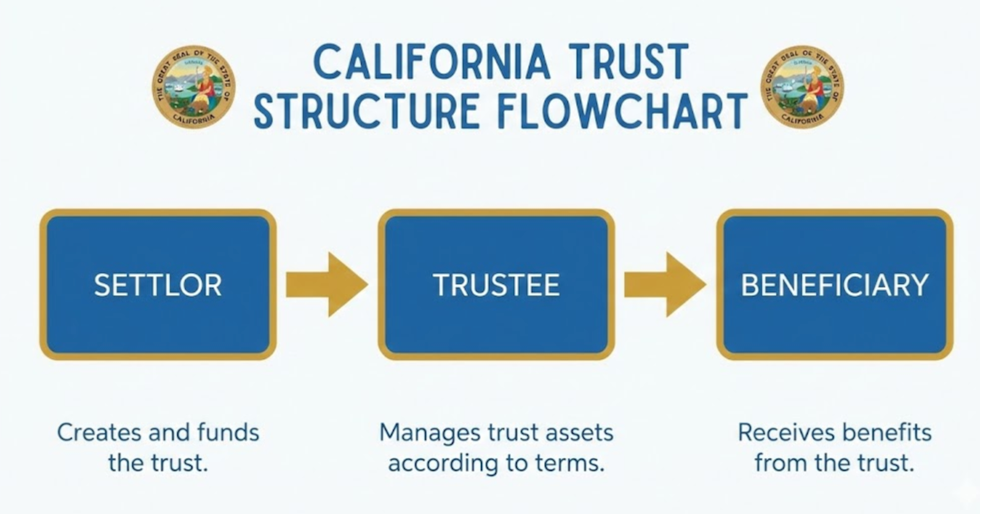
California Probate Code Section 15209 establishes two specific circumstances where a trust avoids invalidation, merger, or termination despite the same person serving as trustee and beneficiary.
The first circumstance applies where there is one settlor who serves as sole trustee and sole beneficiary during the settlor’s lifetime. The second circumstance covers situations where two or more settlors exist, one or more of whom are trustees, and the beneficial interest belongs to one or more of the settlors during their lifetimes.
The California Legislative Information database confirms this statute remains current law as of 2025. The critical requirement is that successor beneficiaries must be named to take after the settlor’s death. Without successor beneficiaries, the doctrine of merger applies and terminates the trust.
The merger doctrine, as defined by Cornell Law School’s Legal Information Institute, occurs when the sole trustee and sole beneficiary of a trust are the same person or institution, eliminating the separation between the trustee’s legal ownership and the beneficiary’s equitable interest.
California courts have consistently applied this framework. In the Estate of Giraldin, decided by the California Supreme Court on December 20, 2012, the court examined a revocable trust where William Giraldin named himself as sole beneficiary during his lifetime with his wife Mary and nine children as remainder beneficiaries. The court’s analysis confirmed that such arrangements remain valid when properly structured.
Measurable Legal Requirements and Fiduciary Obligations
California imposes specific fiduciary duties on trustees even when they serve as beneficiaries. These requirements, codified in California Probate Code Sections 16002 through 16004, create measurable obligations with legal consequences.
Under Section 16002, trustees owe a duty of loyalty requiring them to administer the trust solely in the interest of the beneficiaries. When a trustee is also a beneficiary, this duty extends to all other beneficiaries equally.
Section 16003 mandates that if a trust has two or more beneficiaries, the trustee must deal impartially with them and act impartially in investing and managing trust property while accounting for differing beneficiary interests.
Section 16004 prohibits trustees from using or dealing with trust property for the trustee’s own profit or for any purpose unconnected with the trust. This section specifically addresses conflicts of interest, stating that a transaction between trustee and beneficiary is presumed to violate fiduciary duties if the trustee obtains an advantage.
The Estate of Gilmaker, decided by the California Supreme Court in 1962 (57 Cal.2d 627), established that trustees breach their fiduciary duty when they favor one beneficiary over another through distributions and decisions that disproportionately benefit one party. This precedent remains controlling law.
The Estate of Giraldin (2012) 55 Cal.4th 1058 extended trustee accountability. The California Supreme Court held that remainder beneficiaries can sue a trustee for breaches of fiduciary duty committed during the settlor’s lifetime after the settlor’s death. In that case, Timothy Giraldin served as trustee while his father William was sole lifetime beneficiary. The trust’s value diminished significantly due to imprudent investments in a company Timothy partly owned, and the court ruled that the other beneficiaries had standing to pursue claims after William’s death.
Comparing Different Trust Arrangement Approaches

California practitioners structure trusts differently depending on family circumstances and asset complexity. Publicly available information from court filings, legal publications, and California State Bar resources reveals several common approaches.
The standard revocable living trust approach involves the settlor naming themselves as initial trustee and lifetime beneficiary while designating children or other relatives as successor beneficiaries. This structure costs between $1,500 and $5,000 for most California families as of 2024, according to estate planning fee surveys.
An alternative involves naming co-trustees from the outset. Even when one person is the sole beneficiary, having a second co-trustee prevents merger because one person does not hold the entire legal title alone. The Santa Clara Superior Court’s probate division notes that some trusts provide for the remaining co-trustee to become sole trustee if one co-trustee can no longer serve.
For blended families, California practitioners often recommend independent trustee appointments. The Estate of Giraldin litigation demonstrated the risks when a trustee with beneficial interests manages assets affecting other beneficiaries. Timothy Giraldin’s dual role as trustee and remainder beneficiary created the conflict of interest that led to litigation.
Corporate trustee arrangements provide another alternative. Professional fiduciaries, licensed under the Professional Fiduciaries Act, are held to a higher fiduciary standard than lay trustees. California Assembly Bill 2148, passed in 2024, authorized professional fiduciaries to organize as professional corporations, expanding options for trust administration.
Practical Implementation Based on California Legal Requirements
Creating a valid trust where the settlor serves as trustee and beneficiary requires specific documentation steps established under California law.
First, the trust document must explicitly name successor beneficiaries who will receive trust assets after the settlor’s death. Without this provision, California courts apply the merger doctrine and the trust terminates. The successor beneficiary designation prevents merger by maintaining the required separation of interests.
Second, the trust should specify the method by which amendments or modifications can be made. The California Supreme Court addressed this in recent decisions, noting that absent explicit provisions, a California revocable trust may be modified by a writing signed by the settlor and delivered to the trustee during the settlor’s lifetime.
Third, proper funding transfers asset titles into the trust’s name. California’s current probate threshold is $208,850 as of 2025. Assets properly titled in the trust name avoid probate court proceedings that can take 12 to 18 months and cost approximately $20,000 for an $800,000 estate based on California’s statutory fee schedule.
Fourth, trustees should maintain detailed records of all trust transactions. California Probate Code Sections 16060-16069 require trustees to keep beneficiaries reasonably informed about the trust and its administration. Written documentation of the settlor’s decisions provides protection against later claims, as demonstrated in Estate of Giraldin where the court noted that a trustee has no duty to prevent the settlor from knowing, voluntary decisions about trust assets.
Conclusion
California Probate Code Section 15209 permits a settlor to serve as both sole trustee and sole beneficiary during their lifetime, but only when successor beneficiaries are named. The Estate of Giraldin established that even properly structured arrangements carry ongoing fiduciary obligations enforceable by remainder beneficiaries after the settlor’s death.
The key safeguard is clear documentation of successor beneficiaries combined with careful attention to the fiduciary duties codified in Probate Code Sections 16002-16004. California residents establishing or administering trusts should review their trust documents with qualified legal counsel to confirm these requirements are met.
FAQ SECTION
Q: Can the same person be trustee and sole beneficiary of a California trust?
A: Yes, but only during the settlor’s lifetime and only if successor beneficiaries are named under California Probate Code Section 15209. Without successors, the doctrine of merger terminates the trust automatically.
Q: What is the doctrine of merger in California trust law?
A: The merger doctrine terminates a trust when one person holds both complete legal title as trustee and complete equitable title as the only lifetime and remainder beneficiary. California Probate Code Section 15209 provides exceptions.
Q: Does a trustee who is also a beneficiary have different duties?
A: No reduced duties apply. California Probate Code Sections 16002-16004 require loyalty, impartiality, and conflict avoidance. The Estate of Gilmaker (1962) confirmed trustees face liability for favoring themselves over other beneficiaries.
Q: Can other beneficiaries sue if a trustee-beneficiary mismanages assets?
A: Yes. The California Supreme Court in Estate of Giraldin (2012) held that remainder beneficiaries can sue for fiduciary breaches committed during the settlor’s lifetime once the settlor dies and the trust becomes irrevocable.
Q: How do I prevent merger if I want to be trustee and beneficiary?
A: Name at least one successor beneficiary in your trust document, appoint a co-trustee, or designate a remainder beneficiary. These structures maintain the separation of interests required under California law.
This article references publicly available information from the California Legislature, California Supreme Court, and California Court of Appeal including official statutes, published case opinions, and court documentation dated 1962-2025. All statutory citations refer to the California Probate Code as current through 2025. Results described reflect specific legal holdings and may vary based on individual circumstances, trust terms, and subsequent legal developments. This information does not constitute legal advice. For current information about California trust law, consult the official California Legislative Information website and qualified California legal counsel.
