

You expected your parent’s trust to reflect their true wishes. Instead, you’re looking at a document that cuts you out, favors a caregiver who appeared out of nowhere, or contradicts everything your loved one ever told you. Something feels wrong—and you’re wondering if you have any legal recourse.
In California, you can contest a trust by proving specific legal grounds such as lack of mental capacity, undue influence, fraud, duress, or improper execution under the California Probate Code. Courts will invalidate a trust—in whole or in part—if the evidence shows the settlor didn’t create it freely and with a sound mind. The trust litigation attorneys at The Legacy Lawyers represent beneficiaries throughout California who need to challenge suspicious trust amendments or fight for their rightful inheritance.
This article explains the legal grounds California courts recognize for trust contests, your rights as a beneficiary, and how to take action when a trust doesn’t reflect the true intentions of the person who created it.
Understanding Trust Contests Under California Law
A trust contest is a legal proceeding in which an interested party—typically a beneficiary, heir, or family member—asks the court to invalidate part or all of a trust. Unlike will contests that occur during probate, trust contests happen outside the probate process because trusts are designed to avoid probate entirely. However, California Probate Code provides clear mechanisms for challenging a trust’s validity.
Under California Probate Code §17200, interested persons may petition the court concerning the internal affairs of a trust, including questions about its validity. The court has broad authority to determine whether a trust was properly created, whether amendments are valid, and whether the settlor (the person who created the trust) acted freely and with sufficient mental capacity.
California recognizes several specific legal grounds for contesting a trust:
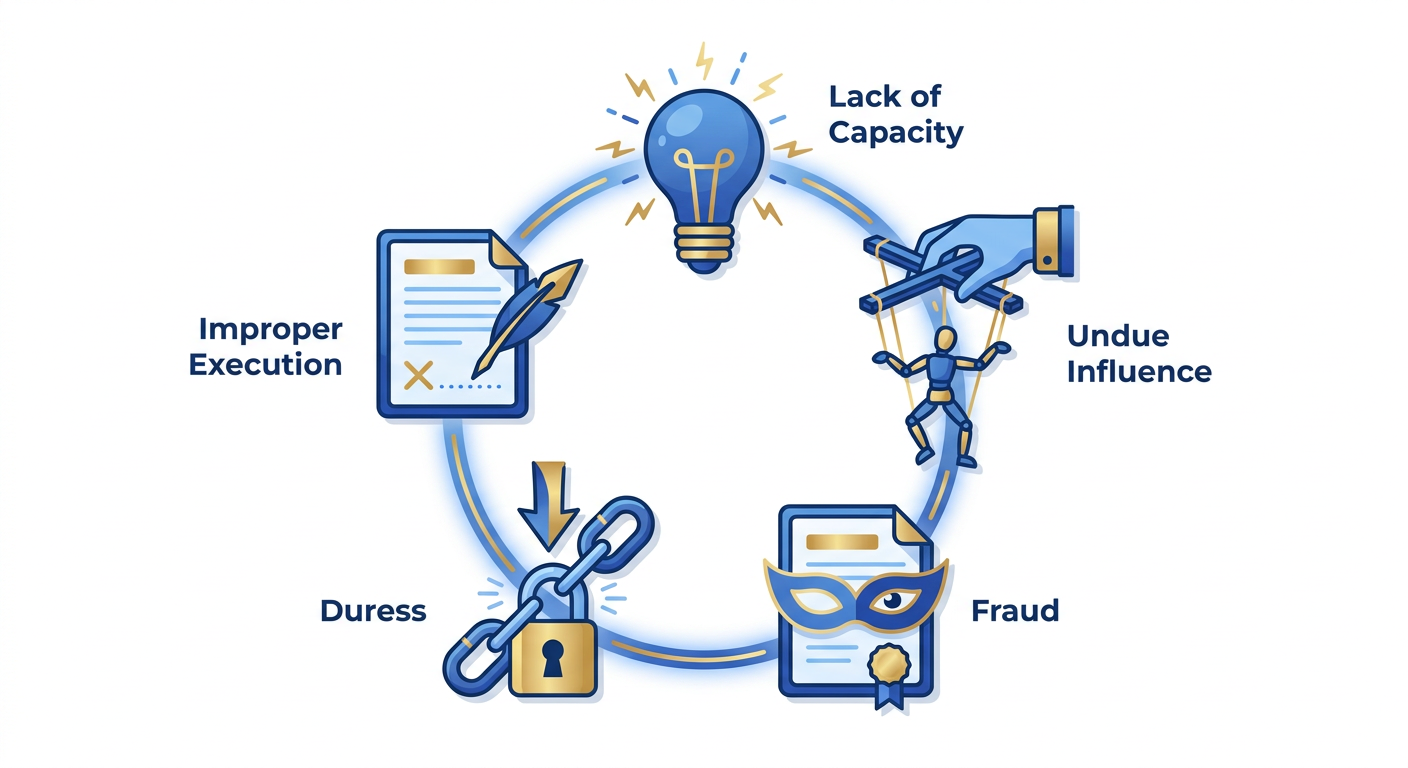
- Lack of Mental Capacity: The settlor did not have the mental ability to understand the nature and consequences of creating or amending the trust.
- Undue Influence: Someone exerted improper pressure that overcame the settlor’s free will, substituting their own intent for the settlor’s true wishes.
- Fraud: The settlor was deceived into signing the trust or making amendments based on false information.
- Duress: The settlor signed under threat or coercion.
- Improper Execution: The trust document fails to meet California’s formal requirements for validity.
The California Supreme Court addressed undue influence in the landmark case Rice v. Clark (2002) 28 Cal.4th 89, establishing that when a presumption of undue influence arises, the burden shifts to the person who allegedly exerted influence to prove the transaction was fair. This case remains foundational for trust contest litigation involving caregivers, advisors, or family members who benefited from last-minute trust changes.
Consider this scenario: An elderly father with advancing dementia suddenly amends his trust to leave everything to a new caregiver while disinheriting his adult children. The children may have grounds to contest based on both lack of capacity and undue influence—especially if the caregiver isolated their father, controlled access to him, or accompanied him to attorney meetings.
Your Rights and Options as a Beneficiary
If you suspect a trust doesn’t reflect the settlor’s true intentions, California law gives you specific rights to challenge it. Understanding these rights—and the deadlines for exercising them—is critical.
Who Can Contest a Trust in California?
Under California Probate Code §17200(a), a petition may be filed by a trustee, beneficiary, or any other person who has a legal interest in the trust. This includes:
- Named beneficiaries under the current trust version
- Beneficiaries under a prior trust version who were removed or reduced by a suspicious amendment
- Heirs at law who would inherit if the trust were invalidated
- Surviving spouses with community property rights
The Statute of Limitations for Trust Contests
California Probate Code §16061.7 requires trustees to provide a notification to beneficiaries and heirs within 60 days of the settlor’s death. This notification triggers a 120-day window during which you can contest the trust’s validity. If you miss this deadline, your right to contest may be permanently barred.
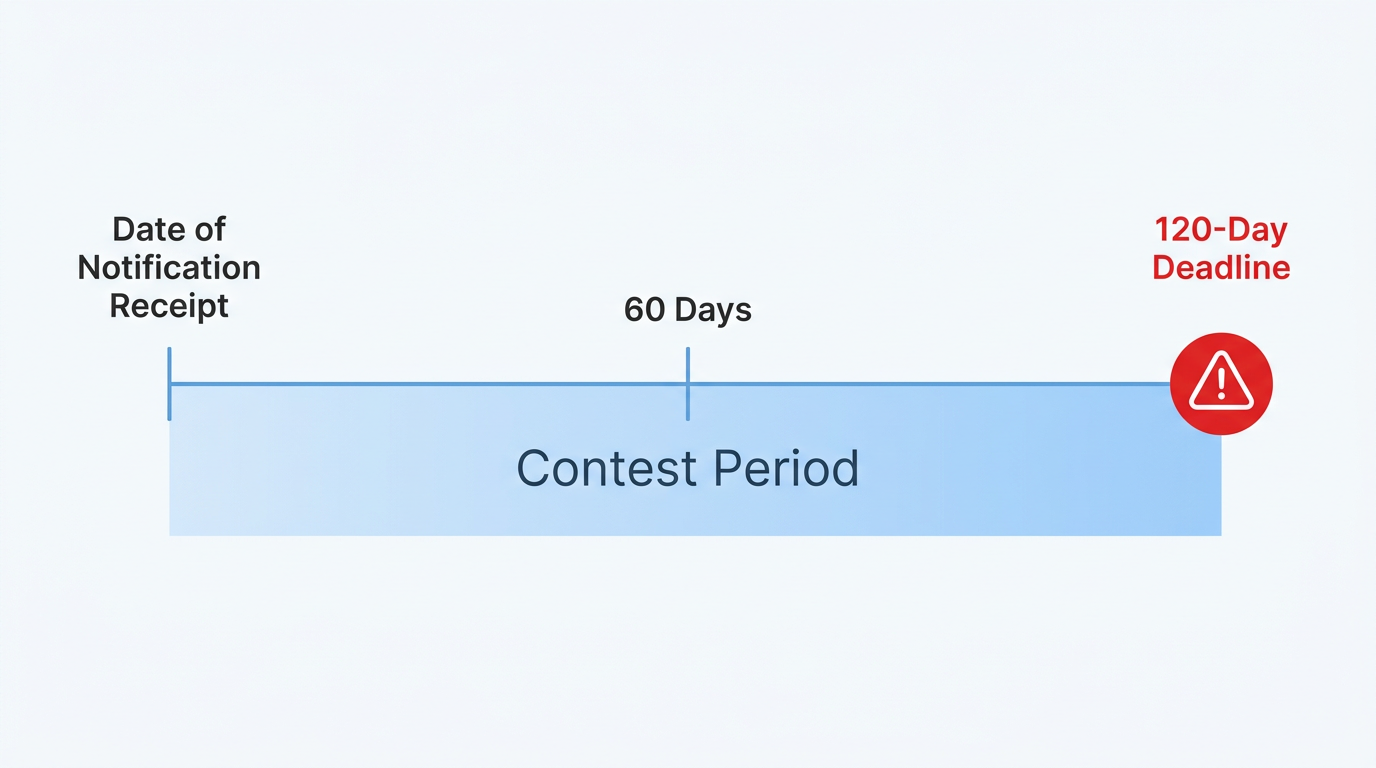
This timeline creates urgency. If you receive a trustee notification and have concerns about the trust’s validity, consult with a California trust litigation attorney immediately—not months later.
Evidence That Supports a Trust Contest
Successful trust contests typically rely on evidence such as:
- Medical records documenting cognitive decline, dementia, Alzheimer’s disease, or psychiatric conditions affecting judgment
- Testimony from physicians, nurses, or caregivers about the settlor’s mental state
- Prior versions of the trust that show sudden, unexplained changes
- Evidence of isolation—someone controlling who could visit or communicate with the settlor
- Records showing a confidential relationship between the settlor and the person who benefited from changes
- Attorney notes or drafting history for the trust documents
In Estate of Sarabia (1990) 221 Cal.App.3d 599, the court found undue influence where a caregiver had isolated the decedent, controlled her finances, and accompanied her to meet with the attorney who drafted the beneficial trust amendment. These factual patterns—isolation, dependency, and involvement in the legal process—are warning signs courts take seriously.
If you’re questioning whether a trust reflects your loved one’s true wishes, The Legacy Lawyers can help you understand your legal options. Get started with a consultation—we serve clients throughout California from offices in Irvine, Los Angeles, Torrance, Inland Empire, San Diego, San Francisco, and Sacramento.
How The Legacy Lawyers Protect Your Rights
Trust contests are among the most emotionally challenging legal matters a family can face. You’re often fighting against siblings, stepparents, or caregivers—people who may have exploited your loved one’s vulnerability. At the same time, you’re grieving and trying to honor what you know the settlor actually wanted.
The attorneys at The Legacy Lawyers focus specifically on trust litigation, probate disputes, and protecting beneficiary rights. The firm’s attorneys—including Phillip C. Lemmons (Super Lawyers designation), Nikolas S. Antzoulatos, and the full litigation team—understand both the legal complexity and the personal stakes involved.
When you work with The Legacy Lawyers on a trust contest, the team will:
- Evaluate the strength of your grounds for contesting—whether based on lack of capacity, undue influence, fraud, or other legal defects
- Gather and preserve evidence including medical records, witness testimony, and trust drafting history
- File the necessary petitions within California’s strict deadlines
- Navigate the litigation process in California probate court, from discovery through trial if necessary
- Negotiate settlements when they serve your interests, or take the case to trial when they don’t
The Legacy Lawyers represent beneficiaries from seven California office locations—Irvine, Los Angeles, Torrance, Inland Empire, San Diego, San Francisco, and Sacramento—making statewide representation accessible. The firm’s recognitions from Martindale Hubbell, Avvo, Expertise, and the Orange County Bar Association reflect a commitment to excellence in estate litigation.
Can I Contest a Trust After the 120-Day Deadline?
Generally, the 120-day period following a California Probate Code §16061.7 notification is the window for contesting a trust’s validity. However, if you never received proper notification, the deadline may not have started running. Courts have also recognized exceptions in cases involving fraud that was not discovered—and could not reasonably have been discovered—within the standard period.
Additionally, even after the contest deadline passes, beneficiaries retain rights to challenge trustee conduct, request accountings under California’s accounting laws, and pursue breach of fiduciary duty claims. These actions don’t challenge the trust’s validity but can address trustee misconduct.
What Is the Difference Between Lack of Capacity and Undue Influence?
Lack of capacity means the settlor’s mental state prevented them from understanding what they were signing. Under California Probate Code §6100.5 (applied by analogy to trusts), a person lacks capacity if they cannot understand the nature of the testamentary act, understand and recollect their property, or remember their relationship to family and beneficiaries.
Undue influence is different—it means someone overcame the settlor’s free will through pressure, manipulation, or exploitation of a position of trust. Under California Welfare and Institutions Code §15610.70, undue influence involves excessive persuasion that causes another person to act or refrain from acting in a way that results in inequity.
A settlor can have capacity but still be subject to undue influence. For example, an elderly person may understand what a trust is and who their family members are, but a manipulative caregiver might exploit their loneliness and dependency to pressure them into making changes that benefit the caregiver.
What Happens If the Court Invalidates a Trust Amendment?
If a California court finds that a trust amendment is invalid—due to lack of capacity, undue influence, fraud, or improper execution—the court will typically restore the prior valid version of the trust. This means the distribution plan that existed before the invalid amendment takes effect.
In cases where the entire trust is invalidated, the estate may need to go through probate and be distributed according to the decedent’s will, or if there’s no will, according to California’s intestate succession laws. The rights of trust beneficiaries to receive information and accountings during the litigation process also remain protected.
Conclusion
California law recognizes specific grounds for contesting a trust—including lack of capacity, undue influence, fraud, duress, and improper execution. If you believe a trust amendment doesn’t reflect your loved one’s true wishes, you have the legal right to challenge it. But the 120-day deadline under California Probate Code §16061.7 means time is critical.
You don’t have to accept a result that feels fundamentally wrong. Get started with The Legacy Lawyers. The firm serves clients statewide from offices in Irvine, Los Angeles, Torrance, Inland Empire, San Diego, San Francisco, and Sacramento—protecting the inheritance rights of California families.
Frequently Asked Questions
How long do I have to contest a trust in California?
Under California Probate Code §16061.7, you have 120 days from the date you receive the trustee’s notification to contest the trust’s validity. Missing this deadline may permanently bar your claim, so consult an attorney promptly after receiving any trust notification.
Can I contest a trust if I was completely disinherited?
Yes. California law allows heirs at law and beneficiaries under prior trust versions to contest. If you would have inherited under a previous version of the trust or through intestate succession, you likely have standing to file a contest petition.
What evidence do I need to prove undue influence?
Evidence typically includes documentation of a confidential relationship (caregiver, advisor), isolation of the settlor, involvement in the trust drafting process, and sudden unexplained changes favoring the influencer. Medical records and witness testimony about the settlor’s vulnerability also strengthen claims.
Does contesting a trust mean I automatically lose my inheritance?
No-contest clauses (also called in terrorem clauses) exist in some trusts, but California Probate Code §21311 limits their enforcement. If you contest in good faith based on probable cause, the no-contest clause generally cannot be enforced against you even if your contest is unsuccessful.
When should I hire a California trust litigation attorney?
You should consult an attorney immediately after receiving a trust notification if anything seems suspicious—unexpected disinheritance, sudden changes, or a beneficiary who had unusual access to the settlor. The Legacy Lawyers offer consultations to evaluate your situation and explain your legal options under California law.
This article references publicly available information including California Probate Code, California case law, and published legal guidance. The information provided is specific to California law and is for educational purposes only—it does not constitute legal advice or create an attorney-client relationship. Laws change and every case is unique. For guidance on your specific situation, consult a licensed California attorney. Contact The Legacy Lawyers at thelegacylawyers.com/get-started for a consultation.
